

The disconnect between Westminster and the British public has never felt wider than at this year’s Labour Party Conference. While the political elite clapped and cheered to the rafters inside the conference hall, ordinary citizens watching at home were left feeling a deep sense of despair.
A Sudden Pivot in the Conference Hall
The focal point of this divide came during Home Secretary Shabana Mahmood’s conference speech. Mahmood used the platform to announce a sudden policy shift: the immediate reopening of the UK Resettlement Scheme in partnership with the United Nations.
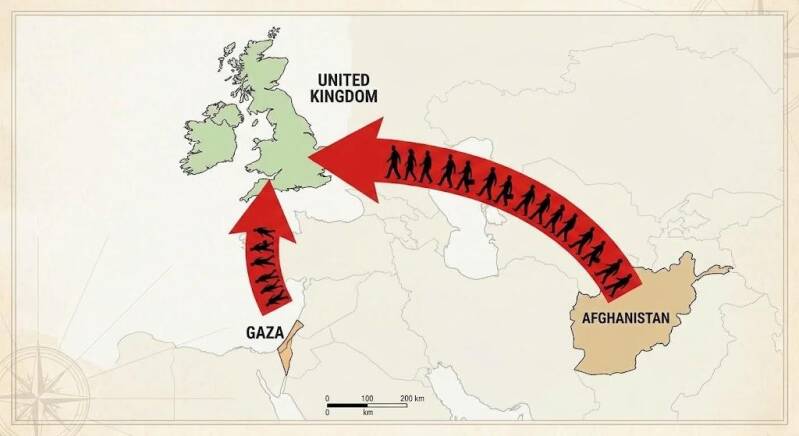
Confirming the details of the revived legal route, Mahmood stated that the first arrivals would land by the end of the year. Crucially, she clarified that the scheme would heavily prioritise Palestinian refugees fleeing Gaza and Afghan women and girls fleeing the Taliban, who are expected to make up roughly a quarter of those admitted.
Inside the conference, a previously muted hall suddenly broke out into rapturous applause and a passionate standing ovation. Outside, it felt to many like a party catering to its internal gallery rather than addressing the core anxieties of its own electorate.
Commentary: "Playing with Fire"
Political commentators were quick to point out the sharp risks of the Home Secretary's decision. Writing for The Telegraph, analysts noted that Labour is "playing with fire as it pivots to what it thinks is a humanitarian stance". Critics argue that the government simply does not possess the political capital required to soften its approach to immigration, which remains the single most salient national issue alongside the cost-of-living crisis.
Furthermore, observers highlighted the political awkwardness of the timing. The announcement of immediate fast-track resettlement routes directly coincided with Mahmood attempting to appease Labour backbench rebels by diluting her otherwise strict, controversial proposals to extend the qualification period for permanent settlement from 5 to 10 years. The result is a policy package that feels contradictory and politically fragile.
International Causes vs Domestic Realities
Critics and commentators point out that the current administration appears far more animated by international causes than the economic realities hitting British streets. It appears that Labour has increasingly transitioned into a party that seems to care more about Gaza than they do about the UK.
With young British workers struggling to find meaningful employment and public services stretched to their absolute limits, the optics of prioritising global resettlement over domestic economic survival are fuelling a quiet fury. Opponents from Reform UK have already condemned the plan, branding it a "complete slap in the face to the British people" that expands the taxpayer burden.
Final Thought: The Danger of the Echo Chamber
The standing ovation in Liverpool highlights a dangerous reality for the current government: inside the Westminster bubble, symbolic humanitarian gestures win applause, but on the doorstep, they breed resentment. By prioritising global praise over local anxieties, Labour risks alienating the very working-class communities that delivered their majority. A government that looks entirely elsewhere for its moral validation may soon find that the voters at home have decided to look elsewhere too.
Add comment
Comments