

As summer heatwaves become longer and more intense across Britain, our relationship with water is fundamentally changing. Reservoirs are dipping to critical levels, hosepipe bans are impacting tens of millions of people, and fields are parched. But the latest tool being proposed to combat water scarcity isn’t a new reservoir or an aggressive leak-repair campaign—it’s dynamic pricing.
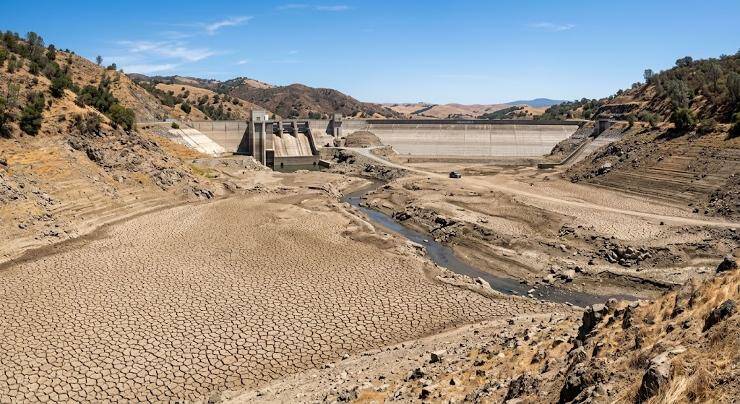
While proponents argue this is a necessary economic lever to force conservation, critics see it as an unfair penalty on consumers. Let’s dive into the core of the debate.
How Would Drought Pricing Work?
For decades, most households paid a flat rate for water, or a fixed price per cubic meter if they had a meter. Surge pricing changes the rules of the game entirely. The proposals look at two main mechanisms:
- Seasonal Tariffs: Water becomes more expensive during the dry summer months when demand spikes for gardens and cooling, and cheaper in the winter.
- Scarcity Thresholds: Households are allocated a "baseline" of essential water for cooking, drinking, and hygiene. If you exceed that baseline during a declared drought, the cost per litre escalates dramatically.
To make this happen, water companies will rely heavily on the rollout of smart meters. These devices track usage in real-time, giving suppliers the data they need to apply premium rates when the country is in a dry spell.
The Argument for Dynamic Pricing: Tweaking Human Behaviour
From an environmental standpoint, the logic behind surge pricing is straightforward: price hikes change human behaviour. When turning on the lawn sprinkler or filling a paddling pool suddenly costs five times more than usual, people think twice.
Suppliers argue that traditional hosepipe bans—while helpful—are difficult to police and often ignored. Financial penalties, tracked directly through a smart meter, are impossible to avoid. In theory, this protects the wider infrastructure and ensures that dwindling reservoir levels are preserved for absolute essentials.
The Backlash: Penalising the Public for Corporate Failure
Unsurprisingly, the proposals have met fierce resistance from consumer advocates and clean water campaigners. Figures like environmentalist Feargal Sharkey have pointed out the hypocrisy of asking consumers to pay more for water when utilities have spent decades failing to manage infrastructure.
Critics point to several systemic issues within the UK water sector:
- Massive Infrastructure Leaks: Billions of litres of water are lost every single day due to ageing, cracked pipes that companies have been slow to replace.
- Environmental Pollution: Public anger is already high due to chronic sewage dumping in British rivers and seas.
- Equity Concerns: Surge pricing disproportionately hits large families and low-income households who may struggle to pay higher bills just because the weather is hot.
For many, the idea that a household should be financially penalised for a drought—while water companies continue to pay out dividends and fail their own leakage targets—is a bitter pill to swallow.
The Road Ahead
The Environment Secretary has already pledged "fundamental reform" for a sector previously described as having "toothless" regulation. Whether that reform includes approving these controversial pricing powers remains to be seen.
If Ofwat gives the green light, we could see these new pricing structures take effect as early as next spring. One thing is certain: the era of taking cheap, limitless water for granted in the UK is officially coming to an end.
Add comment
Comments