

The headlines are a depressing case of déjà vu. They reveal that Members of Parliament have failed to learn their lesson, accepting a staggering £400,000 worth of hospitality and concert tickets so far this year. High-profile politicians are once again in the spotlight for accepting freebies to see the likes of Harry Styles, or enjoying premium days out courtesy of corporate interests.
The standard, reflex defence from Westminster is always the same: “We did nothing wrong. It was all properly declared. We followed the rules”.
But this defence entirely misses the point. The public isn't just angry because they think a law was broken; they are angry because the rules themselves are a symptom of a deeply out-of-touch political culture.
MPs earn more than enough to pay for their own entertainment. The urgent question we need to ask is: why aren't they, and what are these companies actually buying?
The Myth of the "Equal Playing Field"
Let’s be clear about the financial reality. The average British worker is currently struggling through a brutal cost-of-living crisis. For a regular fan, getting tickets to a major concert or a cup final requires fighting through predatory digital queues, only to be asked to shell out hundreds of hard-earned pounds. Millions of people simply have to look at the price tag and say, "I can't afford that".
Meanwhile, an MP—who earns a salary that places them comfortably in the top bracket of UK earners—is handed premium hospitality tickets for absolutely nothing.
Politicians deserve downtime, and they deserve to go to concerts and sporting events. But they should pay for them out of their own pockets. Receiving preferential treatment while earning a premium salary isn't just a bad look; it destroys the democratic ideal that our representatives are supposed to live in the same reality as their constituents.
Exhibit A: What This Looks Like in Practice
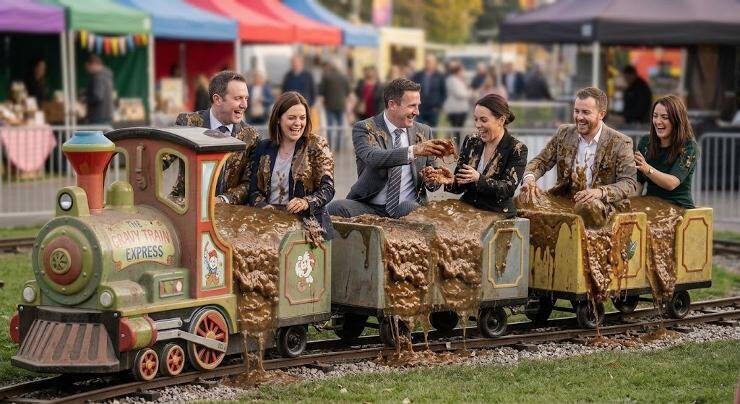
We don't have to look far for evidence of how deep this gravy train runs. A look at the recent registry of interests exposes exactly how comfortable politicians have become with corporate perks:
- High-profile ministers like Education Secretary Lucy Powell accepted £858 worth of tickets to see Harry Styles at Wembley, courtesy of the music industry group PRS for Music.
- Banking on Luxury: The Defence Secretary accepted £1,839 from Lloyds Banking Group just to attend the Chelsea Flower Show.
- Courtside Corporate Perks: Transport Secretary Heidi Alexander took £1,480 worth of tickets from the LTA to sit in luxury at the Wimbledon men’s singles final.
- Andy Burnham declared up to £6,000 in free hospitality over the year so far, which included premium Grand National seats at Aintree alongside thousands of pounds worth of entry to the Brit Awards.
- This follows a wider, systemic pattern where senior leadership has taken tens of thousands in sports hospitality. Sir Keir Starmer famously faced fierce backlash for taking over £100,000 in total gifts—including Taylor Swift tickets and £40,000 in Premier League tickets—at the exact same time the league was actively lobbying the government against an independent football regulator.
The Underlying Concern: What Are Corporations Buying?
We need to stop pretending these freebies are acts of corporate charity. Multinational corporations, banks, and high-flying lobbyists do not hand out thousands of pounds worth of luxury hospitality out of the goodness of their hearts. They do it because it works.
When a major bank or sporting body takes a politician out for a luxury day at Wimbledon or a flower show, they are buying something far more valuable than a ticket: unfettered, informal access.
This is the underlying danger that should deeply concern the public:
- An Unfair Playing Field: In a healthy democracy, policy decisions should be made based on evidence and the public interest. When industries can buy casual face-time with decision-makers, they gain a massive, unfair advantage over regular citizens who will never get to pitch their concerns to an MP over a glass of champagne.
- Subtle Influence: No MP thinks they can be bought for a concert ticket. But human psychology doesn't work that way. Gifts breed familiarity. Familiarity breeds sympathy. When it comes time to vote on regulations for a specific industry, an MP is subconsciously far less likely to crack down on a sector full of "nice people" who hosted them in a luxury suite.
- The Scent of Hypocrisy: This issue is particularly damaging when it involves politicians who campaigned on "restoring trust" and "cleaning up politics". Discovering that politicians were quietly accepting thousands of pounds in hospitality—and continuing to do so—fuels public disillusionment.
"It’s Within the Rules" is Not an Excuse
We must remember the core lesson of history: the vast majority of historical political expenses that enraged the public were completely within the rules. The scandals happened because the rules allowed politicians to behave in a way that the public found utterly unacceptable.
The exact same thing is happening today with corporate hospitality. The fact that the system allows this behaviour doesn't justify it; it proves that the system needs to change.
If we want to fix the deep-seated public cynicism that is rotting our democratic system, we need to demand higher standards. It is time to close the freebie loophole. If an MP wants to go to a concert, a football match, or a racetrack, they should log onto the website, queue up, and pay for it themselves.
After all, they can certainly afford it.
Add comment
Comments