

The anniversary of the October 7th attacks remains an incredibly raw and painful milestone. It serves as a stark reminder of the deliberate atrocities inflicted upon civilians—actions that shocked the global conscience. Yet, on the streets of Britain, this day of mourning has become a battleground for public order, sparking intense anger over the decision to permit mass demonstrations that many view not as political protests, but as a grotesque validation of terrorism.
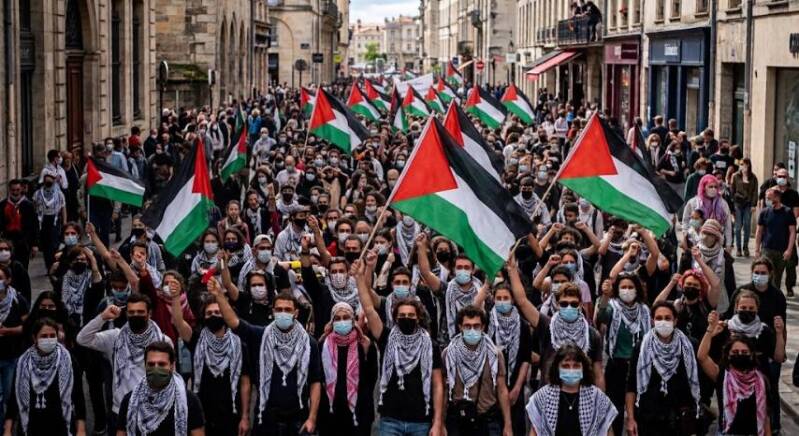
Outrage Over the October 7th Marches
The decision by authorities to allow large-scale pro-Palestinian marches to take place specifically on this anniversary has provoked deep public fury. For critics, gathering on this particular date goes beyond exercising civil liberties; it directly minimises the targeted slaughter and kidnappings of innocent people.
This situation has intensified the ongoing debate surrounding "two-tier policing" in the United Kingdom. There is a growing conviction among a significant portion of the public that the Metropolitan Police and senior officials apply a double standard. While ordinary citizens face swift enforcement for minor offences, large crowds are permitted to occupy public spaces under circumstances that many believe border on the glorification of proscribed groups. This perceived leniency has led to formal complaints against police leadership and fierce criticism of the political figures responsible for oversight, including the Home Secretary and the Mayor of London.
The Erosion of Common-Sense Governance
The friction on the streets reflects a deeper systemic issue within British institutions. Critics argue that an over-intellectualised or bureaucratic interpretation of public order laws is being used to bypass basic moral decency. Rather than enforcing the law with common sense and a clear distinction between civilised behaviour and the celebration of violence, institutions are seen as hiding behind legal technicalities, claiming their hands are tied.
This perceived failure of governance is not viewed in isolation. It connects to broader public anxieties regarding how national infrastructure, border control, and public safety are managed. The sentiment growing across the country is that public institutions are increasingly out of touch with the expectations of the taxpayers who fund them, leading to an environment where double standards are visible on a daily basis.
Final Thought
The allowance of these marches on a day marked by such profound tragedy exposes a worrying drift in our societal compass. When public institutions value bureaucratic compliance over basic human decency and the protection of targeted communities, they risk losing the trust of the public entirely. True justice and community cohesion cannot survive under a system of two-tier policing or selective enforcement. Moving forward, Britain urgently requires a return to robust, common-sense governance—where the law is applied consistently, and where our streets are no longer used to host or tolerate the celebration of terror.
Add comment
Comments